


1400 Louisville Street
Starkville, MS 39759


From Bad Breath to Better Health: How Dental Care Extends Your Starkville Pet’s Lifespan
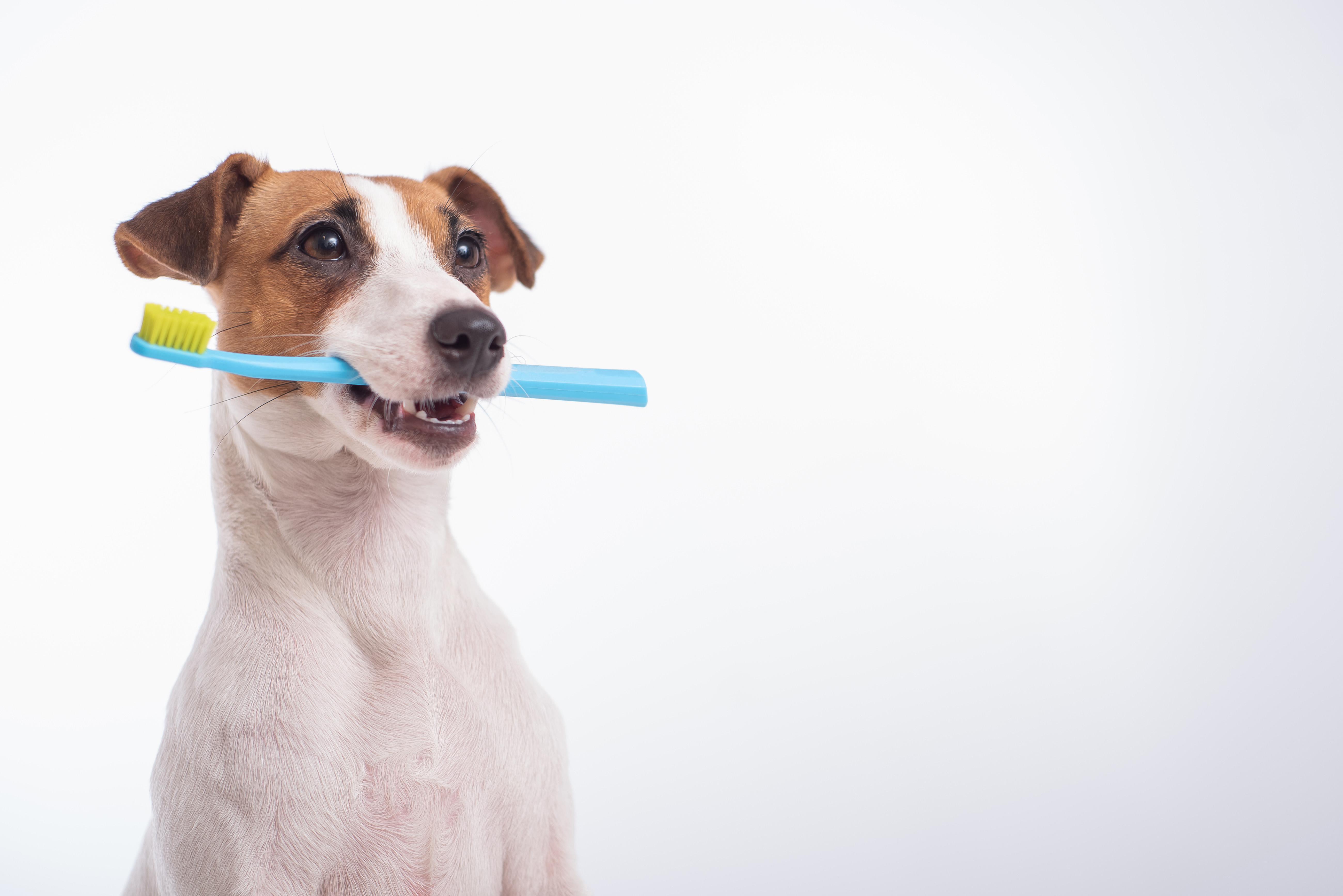
Bad breath may seem like a minor problem, but in dogs and cats, it can be an early warning sign of dental disease. Plaque, tartar, inflamed gums, and infection can cause ongoing discomfort that pets often hide. Keeping your pet’s mouth healthy is therefore about much more than fresher breath. Regular veterinary dental care can support better comfort, easier eating, and overall health throughout your pet’s life.
At Starkville Veterinary Hospital, we provide dental care for dogs and cats in Starkville as part of our comprehensive veterinary services. By identifying dental problems early and maintaining healthier teeth and gums, we can help pets enjoy a better quality of life as they age.
Why Bad Breath Should Not Be Ignored
Persistent bad breath is often one of the first dental changes pet owners notice. Although an occasional unpleasant smell may occur after eating, consistently strong breath can signal bacterial buildup, gum inflammation, or another oral health concern.
Plaque forms naturally on the teeth. If it is not removed, it can harden into tartar and contribute to periodontal disease. As inflammation progresses below the gumline, tissues supporting the teeth can become damaged.
Because pets cannot tell us when a tooth hurts, owners may not realize there is a problem until dental disease has become more advanced.
Signs Your Pet May Have Dental Disease
In addition to bad breath, Starkville pet owners should watch for changes that may indicate an oral health problem, including:
- Red, swollen, or bleeding gums
- Yellow or brown tartar buildup
- Difficulty chewing or dropping food
- Chewing primarily on one side of the mouth
- Pawing at the face or mouth
- Loose, broken, or discolored teeth
- Reduced interest in hard food or treats
Some pets continue eating normally despite significant dental discomfort, which is why routine veterinary examinations remain important even when there are no obvious symptoms.
How Professional Dental Care Protects Your Pet
Brushing your pet’s teeth at home can help control plaque, but established tartar cannot simply be brushed away. Professional veterinary dental care allows the teeth and gums to be evaluated more thoroughly and cleaned where home care may not be enough.
A dental assessment can also identify damaged teeth, periodontal disease, infection, or other oral abnormalities that need treatment. Addressing these problems can reduce chronic oral pain and help preserve functional teeth.
For Starkville pets, regular dental evaluations also give the veterinary team an opportunity to monitor changes over time rather than waiting until eating becomes painful or an infection becomes obvious.
The Connection Between Oral Health and Overall Wellness
The mouth is part of the body, so oral health should be considered alongside nutrition, vaccinations, parasite prevention, weight management, and routine medical care.
Advanced periodontal disease can create chronic inflammation and may affect a pet’s overall well-being. Infected or painful teeth can also make chewing uncomfortable, change eating habits, and reduce quality of life.
Dental care alone cannot guarantee that a pet will live longer, but preventing and treating painful oral disease removes one avoidable health burden. For aging dogs and cats especially, maintaining comfortable teeth and gums can help support normal eating and daily activity.
Start Dental Care Before Problems Become Severe
Preventive dental care is usually easier than responding to advanced disease. Your veterinarian can recommend how often your dog or cat should receive dental evaluations based on age, breed, oral health, diet, and previous dental problems.
Home care between veterinary visits also matters. Tooth brushing with pet-safe toothpaste is one of the most effective ways to reduce plaque when your pet tolerates it. Your veterinary team can recommend additional dental products and routines based on your pet’s individual needs.
If bad breath, tartar, gum redness, or changes in chewing have you concerned about your pet’s oral health, schedule a dental evaluation with Starkville Veterinary Hospital at 1400 Louisville Street, Starkville, MS 39759, or call (662) 323-7078 to help keep your pet’s teeth healthier, their mouth more comfortable, and their overall wellness on the right track.


© 2026 Starkville Veterinary Hospital. All rights Reserved - Accessibility Statement - Privacy Policy - Sitemap
Powered by
